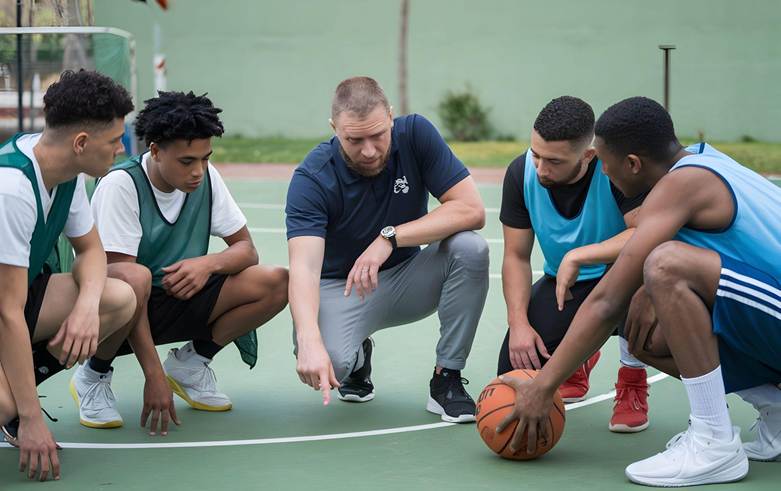
Building a competitive high school basketball team begins with mastering essential skills. For experienced coaches such as Christopher Sohm, whose coaching background includes leading the Spearville High School boys’ basketball program in Kansas, the importance of fundamental skill development is especially relevant to preparing student-athletes for competitive play.
Basketball requires more than athletic ability or an understanding of offensive strategies. Players must develop consistent shooting mechanics, reliable passing, defensive awareness, and effective footwork to perform under pressure. When coaches emphasize these foundations, teams can establish greater consistency while helping athletes develop skills that remain valuable throughout their playing careers.
Understanding the Importance of Basketball Fundamentals
Basketball fundamentals refer to the essential techniques that allow players to participate effectively in different game situations. Shooting, passing, dribbling, rebounding, defending, and moving without the ball all contribute to individual and collective performance. These skills provide the foundation for more advanced offensive and defensive systems.
High school teams often include athletes with different experience levels and physical capabilities. Some players may have participated in organized basketball for years, while others are still developing basic techniques. A fundamentals-focused approach allows coaches to address these differences while establishing consistent expectations across the roster.
Why Shooting Mechanics Require Consistent Practice
Effective shooting involves coordinated movement, balance, hand positioning, and follow-through. Although individual shooting styles vary, players benefit from developing techniques they can repeat under different conditions. Consistency becomes especially important when fatigue or defensive pressure affects performance.
Coaches can introduce shooting drills that emphasize proper positioning before increasing distance or difficulty. Repetition helps players recognize their mechanics and make adjustments when necessary. Practice should also include game-relevant situations, such as catching passes, moving into shooting positions, and responding to defensive pressure.
How Passing Strengthens Team Offense
Passing allows teams to move the basketball efficiently and create scoring opportunities. Accurate passes help maintain offensive rhythm, while poor decisions can lead to turnovers and missed opportunities. Players must understand when to pass, where teammates are positioned, and how defenders may react.
Developing passing skills requires more than practicing stationary exchanges. Coaches can incorporate movement, defensive pressure, and decision-making into drills. Players should learn to recognize open teammates and communicate effectively. Strong passing habits encourage collective responsibility rather than relying excessively on individual scoring ability.
The Importance of Ball Handling Under Pressure
Ball handling helps players maintain possession while navigating defenders and creating offensive opportunities. Reliable dribbling skills are particularly important when opponents apply pressure or attempt to disrupt passing lanes. Players who lack confidence handling the ball may struggle to execute offensive strategies.
Coaches can develop these abilities through controlled drills involving changes of direction, pace, and defensive positioning. However, effective ball handling also involves recognizing when passing is preferable to continued dribbling. Teaching players to make appropriate decisions helps reduce unnecessary turnovers and supports more organized offensive possessions.
Why Defensive Fundamentals Influence Team Consistency
Defense requires positioning, communication, anticipation, and sustained effort. Even teams with strong offensive players may struggle when defensive responsibilities are unclear. Establishing consistent defensive habits can help athletes respond more effectively to different opponents.
Fundamental defensive instruction should emphasize maintaining appropriate positioning, moving laterally, contesting shots responsibly, and understanding help-defense responsibilities. Coaches must also teach players to avoid unnecessary fouls. When athletes understand how individual assignments contribute to collective defense, teams can develop more dependable defensive performances.
How Footwork Supports Every Aspect of Basketball
Footwork influences shooting, passing, defending, rebounding, and movement around the court. Players who maintain appropriate balance can often respond more effectively to changing game situations. Poor foot positioning, meanwhile, may interfere with movement efficiency and technical execution.
Coaches can incorporate footwork exercises into warm-ups and skill-development sessions. Pivoting, defensive slides, controlled stops, and changes of direction provide opportunities to reinforce proper movement patterns. These exercises should gradually become more challenging as players demonstrate greater coordination and confidence.
The Role of Rebounding in Competitive Basketball
Rebounding creates additional offensive opportunities and helps prevent opponents from extending possessions. Successful rebounding involves more than jumping ability. Players must recognize shot trajectories, establish appropriate positioning, and react quickly when the ball becomes available.
Coaches should teach athletes to locate opponents, maintain legal positioning, and pursue rebounds with controlled movement. Rebounding drills can also emphasize communication and transition responsibilities. When players understand that rebounding is a shared responsibility, teams become less dependent on their tallest or most athletic individuals.
Why Decision-Making Matters as Much as Physical Skill
Basketball requires players to process information quickly while responding to teammates and opponents. A technically skilled athlete may still struggle when making rushed decisions or failing to recognize developing situations. Effective coaching therefore combines physical instruction with opportunities to improve basketball awareness.
Small-sided games and situational drills can help athletes practice decision-making under realistic conditions. Players may learn when to attack the basket, reverse the ball, or slow the pace of a possession. These experiences encourage adaptability and help athletes understand the reasoning behind different offensive and defensive choices.
Building Team Chemistry Through Fundamental Training
Fundamental drills provide opportunities to develop communication, accountability, and teamwork. Players must learn how their responsibilities connect with those of their teammates. Passing exercises, defensive rotations, and rebounding assignments all reinforce the importance of coordinated effort.
Coaches can use these activities to establish clear expectations for participation and communication. When athletes understand their roles, they may become more confident contributing to collective objectives. Team chemistry develops through consistent interactions and shared responsibility rather than relying exclusively on motivational discussions.
Adapting Fundamental Instruction to Different Skill Levels
High school basketball programs frequently include players at different stages of development. A single practice may involve experienced upperclassmen alongside younger athletes who require additional instruction. Coaches must balance individual needs with the team’s overall preparation.
Differentiated drills can help address these challenges. Developing players may focus on basic techniques, while more experienced athletes practice the same skills under increased pressure or complexity. This approach allows everyone to participate in meaningful development without assuming that all players progress at identical rates.
Why Practice Structure Influences Player Development
Effective practices require clear objectives and appropriate organization. Without structured planning, teams may spend excessive time repeating activities that do not address important weaknesses. Coaches should identify specific development priorities before selecting drills.
A productive practice may include:
- Warm-ups emphasizing movement and coordination.
- Individual shooting and ball-handling exercises.
- Passing drills incorporating decision-making.
- Defensive positioning and rebounding activities.
- Controlled scrimmages reinforcing recently practiced skills.
Practice plans should remain flexible when athletes demonstrate unexpected challenges. Coaches can adjust activities according to progress, fatigue, and upcoming competition requirements.
Connecting Fundamentals With Offensive Strategy
Advanced offensive systems depend on players executing basic skills consistently. Screening actions, ball movement, and coordinated cuts become less effective when athletes struggle with passing accuracy, spacing, or decision-making.
Coaches should therefore introduce offensive concepts in ways that reinforce foundational abilities. A simple offensive structure executed consistently may be more effective than a complicated system that players do not fully understand. The objective is to establish clear responsibilities while allowing athletes to recognize opportunities as they develop.
How Fundamentals Help Teams Respond to Adversity
High school basketball teams inevitably experience difficult games, scoring droughts, and challenging opponents. During these situations, players may become frustrated or attempt unfamiliar techniques. Returning attention to established fundamentals can provide a more dependable approach.
Coaches can encourage athletes to focus on defensive positioning, responsible passing, rebounding, and controlled offensive possessions. These actions remain relevant regardless of the scoreboard. Maintaining consistent habits helps teams respond constructively to adversity rather than abandoning their preparation when circumstances become difficult.
Measuring Improvement Beyond Wins and Losses
Competition results provide one measure of team performance, but they do not capture every aspect of player development. A team may demonstrate meaningful improvement in shooting consistency, defensive communication, or turnover management without immediately producing more victories.
Coaches can evaluate progress through practice observations, game footage, and appropriate performance statistics. Individual development should also receive attention, particularly when athletes demonstrate improved confidence or decision-making. Recognizing these achievements helps establish realistic expectations and encourages continued effort throughout the season.
Why Fundamental Skills Support Long-Term Athletic Growth
Basketball fundamentals remain relevant as athletes progress into more competitive environments. Players who develop reliable technical skills may find it easier to adapt to different coaching systems, teammates, and tactical demands.
The benefits also extend beyond immediate athletic performance. Consistent practice encourages patience, discipline, and responsibility. Athletes learn that improvement generally requires sustained effort rather than occasional exceptional performances. These lessons can contribute to personal development while supporting a more constructive approach to competitive sports.
Final Thoughts
Strong basketball fundamentals provide the foundation for effective high school team development. Shooting, passing, ball handling, defense, footwork, and decision-making all contribute to consistent performance, particularly when players face challenging opponents or unfamiliar situations.
By emphasizing structured practice, individual improvement, and collective responsibility, coaches can help athletes develop the skills necessary for competitive basketball. Although advanced strategies have their place, they are most effective when supported by reliable fundamentals. Ultimately, successful high school programs recognize that lasting progress begins with mastering the essential elements of the game.