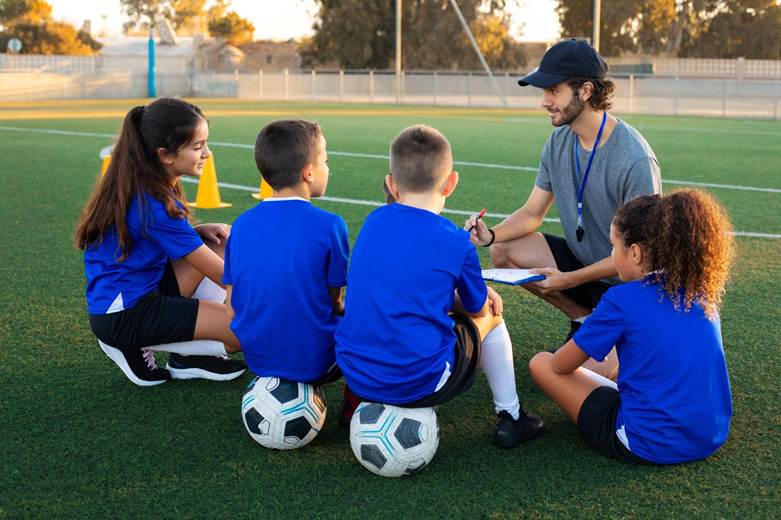
High school football provides opportunities for students to develop skills that extend beyond athletic competition. Experienced high school coaches such as Christopher Sohm, from Kansas, recognize the importance of leadership development and student responsibility in shaping the broader purpose of school sports.
Although winning games remains a meaningful objective, successful football programs also help athletes develop discipline, accountability, communication, and resilience. These qualities influence how students respond to challenges both on and off the field. Coaches who incorporate leadership development into everyday training can create environments where athletic improvement and personal growth reinforce one another.
Understanding Leadership in High School Football
Football leadership involves more than motivating teammates before important games. Effective leaders demonstrate reliability, communicate clearly, accept responsibility, and contribute to shared objectives. These behaviors influence team performance because athletes depend on one another to execute assignments consistently.
High school teams include students with different personalities, abilities, and levels of experience. Coaches must help athletes see that leadership extends beyond captains and standout performers. Every player can contribute by maintaining positive habits, supporting teammates, and demonstrating commitment to established expectations.
Why Discipline Creates the Foundation for Leadership
Discipline allows athletes to maintain consistent standards even when circumstances become challenging. Football requires players to follow instructions, prepare for competition, and execute responsibilities under physical and emotional pressure.
Coaches can develop discipline through organized practices and clearly communicated expectations. Arriving on time, preparing equipment, and participating attentively reinforce dependable habits. However, discipline should not depend exclusively on punishment. Constructive instruction helps athletes understand why particular standards matter and how consistent preparation contributes to collective performance.
How Accountability Strengthens Team Culture
Accountability involves recognizing how individual decisions affect teammates and accepting responsibility for improvement. A missed defensive assignment or communication breakdown may influence an entire play, demonstrating the importance of dependable contributions.
Coaches should encourage athletes to acknowledge mistakes without assigning unnecessary blame. Reviewing performance constructively helps players identify specific adjustments and develop confidence in their ability to improve. Consistent standards are particularly important because athletes are more likely to respect expectations when they apply fairly across the roster.
The Importance of Communication in Developing Leaders
Football requires coordinated communication before, during, and after plays. Athletes must understand formations, assignments, and changing game situations while responding to instructions from coaches and teammates.
Leadership development can begin with teaching players to communicate clearly and respectfully. Experienced athletes may help younger teammates understand terminology or practice responsibilities. Coaches should also encourage active listening, allowing players to ask questions and clarify expectations. These habits support effective teamwork while strengthening interpersonal skills.
Why Leading by Example Matters More Than Titles
Team captains often hold visible leadership responsibilities, but influence extends throughout the roster. Athletes who demonstrate consistent effort, preparation, and sportsmanship can establish positive examples regardless of playing time.
Coaches should recognize behaviors that reflect dependable leadership rather than focusing exclusively on athletic statistics. A player who supports teammates during difficult practices or responds constructively to correction contributes to team culture. Recognizing these actions encourages students to understand leadership as a responsibility demonstrated through behavior.
Building Confidence Through Meaningful Responsibilities
Leadership confidence develops when athletes receive opportunities to make decisions and accept appropriate responsibilities. Coaches can gradually introduce these opportunities during practices, team meetings, and preparation activities.
For example, players may help organize warm-ups, explain familiar drills, or support younger athletes learning positional assignments. Responsibilities should reflect individual maturity and experience. Providing constructive feedback helps students understand what they did well and where they need to improve, which builds their confidence without creating unnecessary pressure.
How Football Teaches Athletes to Handle Adversity
Football programs inevitably experience difficult losses, injuries, mistakes, and unexpected changes. These situations can challenge confidence and create frustration, particularly among students still developing emotional regulation skills.
Coaches play an important role in demonstrating constructive responses to adversity. Rather than allowing disappointment to define the team’s outlook, they can emphasize preparation, learning, and practical adjustments. Athletes who develop resilience through these experiences may become better equipped to manage challenges in other areas of life.
The Role of Teamwork in Leadership Development
Football requires athletes to coordinate individual responsibilities toward shared objectives. Offensive and defensive systems depend on players understanding how their actions influence teammates.
Leadership emerges when students recognize that collective success requires cooperation rather than individual recognition. Coaches can reinforce this principle through team-based drills and collaborative problem-solving. Athletes should learn to value contributions that may receive limited public attention, including blocking, defensive positioning, and consistent preparation.
Why Respect Is Essential to Effective Leadership
Respect supports productive relationships between coaches, athletes, officials, and opponents. Football can be highly competitive, but intensity should remain compatible with appropriate conduct and sportsmanship.
Coaches can establish expectations regarding communication, disagreement, and responses to officiating decisions. Athletes should understand that leadership includes managing emotions and treating others appropriately, even during frustrating situations. Consistent modeling by coaches helps reinforce these standards throughout the program.
Developing Leadership Through Structured Practice
Leadership development becomes more effective when incorporated into everyday activities rather than addressed only during motivational discussions. Practice provides repeated opportunities for students to demonstrate responsibility and cooperation.
Coaches can encourage these behaviors through activities such as:
- Assigning rotating responsibilities during warm-ups.
- Encouraging experienced players to mentor teammates.
- Practicing communication during defensive adjustments.
- Reviewing mistakes through constructive team discussions.
- Recognizing preparation, effort, and sportsmanship.
These activities connect leadership expectations with practical football responsibilities. Repetition helps students understand that dependable behavior is developed through consistent action.
How Coaches Balance Competition and Personal Growth
Competitive objectives remain important because athletes benefit from pursuing challenging goals. However, an exclusive focus on winning may overlook meaningful improvements in individual development and team culture.
Coaches should establish performance expectations while recognizing progress in communication, accountability, and technical skills. A developing player may demonstrate substantial improvement without becoming a starter. Acknowledging these achievements helps athletes understand that their contributions matter beyond immediate competition results.
Why Mentorship Strengthens High School Football Programs
Mentorship provides opportunities for experienced athletes to support teammates who are still learning team expectations. These relationships can help younger players become more comfortable with practice routines, positional responsibilities, and competitive environments.
Coaches should encourage mentorship while maintaining appropriate supervision and clear boundaries. Experienced players can demonstrate positive habits, but they should not replace professional instruction. When structured effectively, mentorship strengthens relationships and helps establish continuity as students progress through the program.
Preparing Student-Athletes for Responsibilities Beyond Football
The habits developed through athletics can remain relevant in academic, professional, and community settings. Students who practice communication, accountability, and cooperation may apply these skills when working with classmates or participating in future organizations.
Coaches can reinforce these connections by encouraging athletes to recognize how their behavior affects others. Preparing for practice resembles preparing for other responsibilities, while accepting constructive feedback supports continued learning. Football provides a structured environment where students can practice these habits through meaningful experiences.
Measuring Leadership Growth Beyond the Scoreboard
Wins and losses provide information about competitive performance, but leadership development requires additional measures. Coaches should observe how athletes communicate, respond to correction, support teammates, and fulfill responsibilities.
Progress may become visible when players begin solving routine problems independently or demonstrate greater composure during difficult games. Coaches can also encourage reflection through individual conversations and team evaluations. These discussions help athletes recognize improvements while identifying areas requiring further attention.
Why Leadership Development Benefits Smaller Football Programs
Smaller high school football programs may depend on athletes fulfilling several responsibilities across the roster. This structure creates opportunities for students to demonstrate versatility, cooperation, and initiative.
When players participate in multiple phases of competition, they develop a broader understanding of how team responsibilities connect. Coaches can use these experiences to encourage shared leadership rather than concentrating responsibility among a few individuals. A culture of dependable contributions can strengthen programs regardless of roster size.
Creating a Leadership Culture That Lasts
Sustainable leadership development requires consistent expectations across seasons. Coaches should establish standards that remain meaningful as athletes graduate and new players join the program.
Returning athletes can help reinforce positive habits while younger students gradually assume greater responsibilities. Clear communication and constructive feedback support this transition. When leadership becomes part of everyday team culture, programs are less dependent on individual personalities and better positioned to maintain continuity.
Final Thoughts
High school football offers opportunities to develop leadership qualities that extend well beyond athletic competition. Discipline, accountability, communication, resilience, and respect contribute to stronger teams while helping students prepare for future responsibilities.
Coaches who prioritize these qualities alongside technical development create environments where athletes can grow as both competitors and individuals. Winning remains an important objective, but the lasting influence of a football program also depends on the habits and relationships students develop. Ultimately, effective coaching recognizes that preparing young people for leadership is an achievement that continues long after the final game.