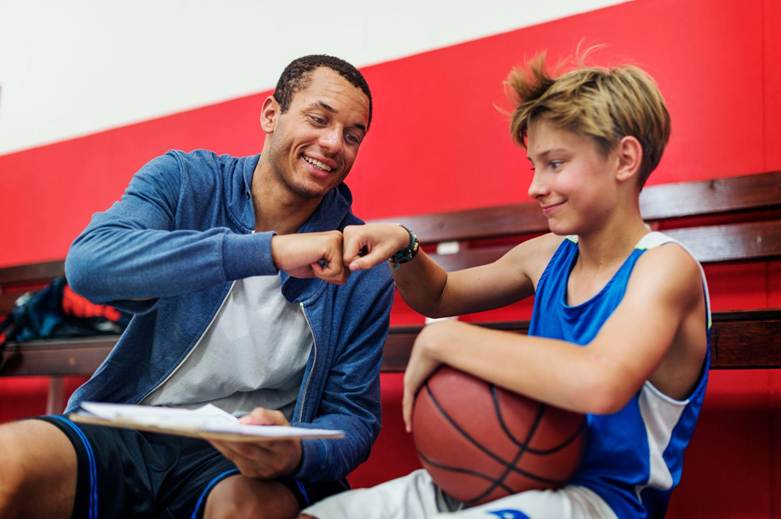
High school basketball games rarely unfold exactly as planned. For experienced Kansas basketball coaches such as Christopher Sohm, understanding how to adjust strategies, manage changing situations, and respond to opponents is an important aspect of competitive coaching.
Even well-prepared teams encounter unexpected challenges, including defensive pressure, foul trouble, scoring droughts, and changes in an opponent’s approach. Effective coaching requires recognizing these developments and making thoughtful adjustments without disrupting team confidence. Adaptability allows coaches to combine preparation with practical decision-making throughout a game.
Why Adaptability Matters in High School Basketball
Basketball is a constantly changing sport in which teams must respond to different playing styles and competitive situations. An offensive approach that works against one opponent may become less effective against another. Coaches must recognize these differences while maintaining the team’s fundamental principles.
Adaptability does not mean abandoning a game plan whenever difficulties arise. Instead, it involves identifying which elements remain effective and determining where adjustments are necessary. Coaches who prepare players for multiple situations can respond more confidently without introducing unfamiliar strategies during critical moments.
Understanding the Importance of Pre-Game Preparation
Effective in-game adjustments begin before competition. Coaches should evaluate an opponent’s offensive tendencies, defensive structure, personnel, and preferred pace. Understanding these characteristics helps identify potential challenges and opportunities.
However, preparation should extend beyond developing a single strategy. Teams benefit from practicing alternative defensive alignments, offensive sets, and transition responsibilities. When players understand multiple options, coaches can make adjustments without requiring extensive explanations during competition.
How Coaches Recognize Defensive Weaknesses
Successful offensive adjustments depend on recognizing how opposing defenses respond to different situations. A team may encounter aggressive perimeter pressure, compact interior defense, or frequent defensive switching. Each approach creates different opportunities and challenges.
Coaches must observe spacing, passing lanes, and defensive rotations to identify potential weaknesses. For example, aggressive pressure may create opportunities for backdoor cuts or quick ball movement. Effective adjustments should remain compatible with the team’s abilities rather than introducing complicated actions that players have not practiced.
Adjusting Offensive Strategies During Competition
Offensive flexibility helps teams respond when their initial approach becomes ineffective. Coaches may modify spacing, change screening actions, or emphasize different scoring opportunities depending on the opponent’s defensive decisions.
These adjustments should reinforce established basketball fundamentals. Players must continue communicating, making accurate passes, and recognizing appropriate shooting opportunities. A simplified offensive structure may sometimes produce better results than adding complexity. The objective is to create manageable opportunities while maintaining confidence and coordination.
Why Defensive Adjustments Can Change Game Momentum
Defensive strategies influence an opponent’s rhythm, shot selection, and ability to establish offensive consistency. Coaches may adjust defensive pressure, change assignments, or modify help-defense responsibilities when opponents begin exploiting weaknesses.
However, defensive changes require clear communication and disciplined execution. Switching between man-to-man and zone concepts can create confusion if players do not understand their assignments. Coaches should introduce these options during practice so athletes can execute adjustments confidently when competitive circumstances demand them.
Managing Substitutions With a Strategic Approach
Substitution decisions affect team energy, defensive matchups, and offensive execution. Coaches must consider player fatigue, foul situations, individual strengths, and the responsibilities required during different stages of a game.
Effective substitutions involve more than replacing tired athletes. A coach may introduce a stronger rebounder to address second-chance opportunities or use a reliable ball handler against defensive pressure. These decisions should reflect the team’s overall needs while maintaining clear expectations for players entering the game.
How Foul Trouble Influences Coaching Decisions
Foul trouble can disrupt a team’s planned rotation, particularly when important players accumulate early fouls. Coaches must determine whether to adjust playing time, modify defensive assignments, or rely on alternative personnel.
These situations highlight the importance of developing depth throughout the season. Reserve players who receive meaningful practice opportunities are better prepared to contribute when unexpected circumstances arise. Coaches should also reinforce disciplined defensive techniques that reduce unnecessary fouls without discouraging appropriate competitive effort.
Understanding the Role of Game Tempo
Controlling tempo can influence how effectively a team executes its offensive and defensive responsibilities. Some teams perform better in transition, while others benefit from deliberate possessions and organized half-court play.
Coaches should recognize when changes in pace may improve performance. Slowing the game can help reduce rushed decisions, while increasing tempo may create opportunities against opponents struggling with transition defense. However, tempo adjustments should reflect player capabilities and the game’s circumstances rather than becoming automatic responses to the scoreboard.
Why Timeout Management Requires Clear Communication
Timeouts provide opportunities to address immediate concerns, clarify assignments, and help players regain focus. Their effectiveness depends on delivering useful information without overwhelming athletes.
Coaches should prioritize the most important adjustments during these brief discussions. Explaining a defensive responsibility or identifying a specific offensive opportunity may be more valuable than reviewing every mistake. Clear, composed communication helps players return to competition with a practical understanding of their responsibilities.
Developing Players Who Can Make Independent Decisions
Adaptable teams require athletes who can recognize situations without depending on constant sideline instructions. Basketball develops rapidly, and players frequently make decisions before coaches can communicate detailed guidance.
Practice should therefore include exercises that encourage situational awareness. Small-sided games, controlled scrimmages, and scenario-based drills help athletes evaluate defensive pressure and available opportunities. Developing independent decision-making allows teams to respond more effectively when circumstances change unexpectedly.
How Coaches Prepare for Late-Game Situations
Close games often require decisions involving clock management, defensive pressure, possession strategy, and shot selection. Coaches must prepare players to understand these situations before encountering them in competition.
Late-game practice scenarios may involve protecting a narrow lead, responding to full-court pressure, or executing an offensive possession with limited time remaining. Repetition helps players understand their responsibilities and communicate more effectively. Preparation cannot guarantee favorable outcomes, but it can reduce uncertainty during demanding moments.
Why Emotional Composure Supports Better Adjustments
Competitive basketball creates emotional pressure for coaches and athletes. Missed opportunities, officiating decisions, and unexpected scoring runs can produce frustration. Coaches who respond impulsively may unintentionally increase confusion or undermine player confidence.
Maintaining composure allows coaches to evaluate situations more objectively. Calm communication also establishes an example for athletes who must continue executing their responsibilities under pressure. Emotional control does not eliminate competitive intensity; it helps ensure that decisions remain focused on practical improvements.
Using Halftime to Reassess the Game Plan
Halftime provides an opportunity to evaluate first-half performance and identify adjustments for the remainder of the game. Coaches can review offensive efficiency, defensive assignments, rebounding, turnovers, and player matchups.
An effective halftime discussion should distinguish between problems requiring strategic changes and issues involving execution. Sometimes the original game plan remains appropriate, but players need clearer communication or improved concentration. Coaches should avoid introducing unnecessary changes when existing strategies can succeed through better execution.
Building Adaptability Through Structured Practice
Teams become more adaptable when practices include situations that require players to respond to unfamiliar challenges. Coaches can introduce different defensive alignments, unexpected substitutions, or changing game conditions during controlled exercises.
Useful practice activities include:
- Scrimmages against multiple defensive formations.
- Offensive possessions with restricted time.
- Situations involving foul trouble or limited substitutions.
- Defensive drills requiring communication during switches.
- Late-game scenarios involving narrow scoring margins.
These exercises encourage flexibility while reinforcing established responsibilities. Regular exposure helps athletes become more comfortable making adjustments during competition.
Learning From Game Film and Performance Reviews
Postgame evaluation provides valuable information about coaching decisions and team execution. Reviewing game footage can help identify patterns that were difficult to recognize during live competition.
Coaches may examine defensive breakdowns, offensive spacing, substitution effectiveness, and responses to strategic changes. Players can also benefit from understanding why particular adjustments succeeded or failed. Constructive analysis should focus on learning rather than assigning blame, allowing teams to prepare more effectively for future opponents.
Why Flexibility Must Be Balanced With Consistency
Although adaptability is important, constantly changing strategies can interfere with player confidence. Teams require dependable principles that remain consistent across practices and competitions.
Coaches should establish a clear foundation involving defensive effort, communication, rebounding, and responsible offensive decisions. Tactical adjustments can then build upon these expectations. This balance allows players to respond to changing circumstances without losing the structure that supports effective teamwork.
Final Thoughts
Adaptability is an essential component of effective high school basketball coaching. Recognizing defensive patterns, managing substitutions, adjusting offensive strategies, and maintaining composure all influence how teams respond to competitive challenges.
The strongest adjustments are supported by preparation, communication, and an understanding of individual player capabilities. Coaches who develop flexible athletes and establish consistent team principles create an environment where thoughtful decisions can improve performance. Ultimately, successful in-game coaching involves knowing when to make changes, when to trust established strategies, and how to help players execute with confidence.