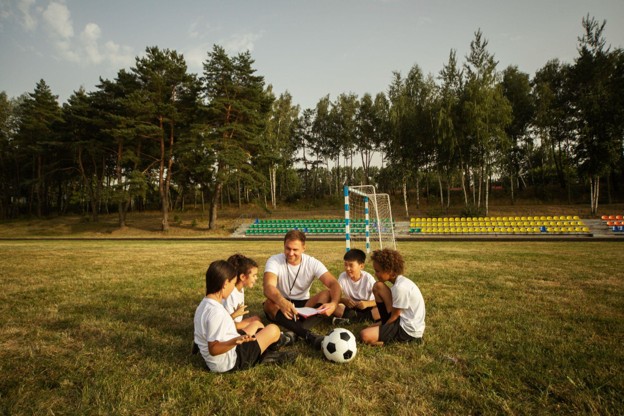
High school football often represents more than an athletic competition in smaller communities. Experienced high school coaches such as Christopher Sohm from Kansas highlight the important role football programs can play in fostering teamwork, community involvement, and shared traditions that bring people together across generations.
Friday night games provide opportunities for students, families, educators, and residents to participate in a common experience. Beyond the excitement of competition, football programs can strengthen school identity, encourage mentorship, and support meaningful relationships. Their influence extends into classrooms, local organizations, and the everyday connections that help small communities maintain a sense of belonging.
Why High School Football Holds Special Meaning in Small Towns
In smaller communities, high schools often serve as important centers for education, recreation, and social interaction. Athletic events create opportunities for residents to gather, support students, and celebrate local accomplishments.
Football can become particularly meaningful because participation involves athletes, coaches, families, school employees, and volunteers. Each group contributes to an experience that extends beyond the field. Although communities differ in their traditions and priorities, school football frequently provides a shared activity through which residents develop connections.
These relationships can remain valuable regardless of a team’s competitive record.
How Football Strengthens Community Identity
Community identity develops through shared experiences, recognizable traditions, and collective participation. High school football contributes by giving residents opportunities to support students representing their schools.
Team colors, school traditions, and annual competitions may become familiar parts of local life. Families often attend games together, while former students return to support younger athletes. These activities can reinforce a sense of continuity between generations.
However, community identity should remain inclusive. Successful athletic programs recognize the contributions of students, volunteers, and supporters with different interests and responsibilities.
The Role of Coaches in Community Development
High school coaches influence more than athletic performance. Their responsibilities include teaching technical skills, establishing expectations, encouraging sportsmanship, and helping students manage competitive challenges.
In smaller communities, coaches may interact with athletes and families across multiple school activities. These relationships create opportunities to reinforce accountability, communication, and respectful behavior.
Effective coaches recognize that their influence comes with responsibility. Maintaining professional boundaries, applying expectations consistently, and prioritizing student welfare help establish trust. When athletic instruction supports broader educational objectives, football programs can contribute positively to community life.
Why Student-Athlete Development Benefits the Community
High school football introduces students to structured responsibilities that require preparation and cooperation. Athletes must manage practice schedules, communicate with teammates, and respond to feedback while balancing academic commitments.
These experiences can encourage organizational skills and personal accountability. Students learn that individual preparation influences collective outcomes, whether they are completing assignments or fulfilling responsibilities during competition.
The benefits are not automatic, however. Coaches and educators must reinforce appropriate expectations and provide constructive guidance. When athletic participation supports educational development, students gain opportunities to practice skills relevant beyond high school.
How Friday Night Games Bring Generations Together
Football games often create opportunities for residents of different ages to share an experience. Students attend to support classmates, parents encourage their children, and alumni reconnect with familiar school traditions.
These gatherings can strengthen relationships that might otherwise receive limited attention during busy schedules. Conversations between former players, families, and community members help preserve shared experiences while introducing younger generations to local traditions.
These events matter for more than just attendance figures. Their value also lies in creating welcoming environments where people can participate in community activities.
The Importance of Volunteers and Local Support
School athletic programs depend on contributions from individuals beyond the coaching staff. Volunteers may assist with concessions, event organization, transportation coordination, fundraising, and other responsibilities.
These contributions help schools manage activities while encouraging broader participation. Local businesses and community organizations may also support programs through permitted sponsorships or school-approved initiatives.
Strong programs recognize that volunteer time and resources are valuable. Clear communication, responsible financial practices, and appreciation for contributions help maintain positive relationships. Community support is most sustainable when participation remains transparent and voluntary.
Why Small-School Football Encourages Shared Responsibility
Smaller football programs often operate with limited rosters and resources. These circumstances can encourage athletes, coaches, and supporters to recognize the importance of individual contributions.
In Kansas, eight-man football provides a competitive format for many smaller schools. Its structure allows programs to participate while adapting to student enrollment and available personnel.
Players may learn multiple positions, while coaches must organize training around different experience levels. These responsibilities encourage adaptability and cooperation. The lessons extend beyond athletics by demonstrating how coordinated contributions help groups work toward shared objectives.
How Football Programs Support School Spirit
School spirit develops when students feel connected to their educational environment and participate in shared activities. Football can contribute by creating opportunities for student sections, marching bands, cheer programs, and other school organizations.
These activities allow students with different interests to participate in the broader athletic experience. A football game may involve performers, event organizers, student media contributors, and spectators alongside the athletes.
Schools can strengthen these connections by recognizing the contributions of every participating group. Inclusive traditions encourage students to view school activities as collective experiences rather than events centered exclusively on one team.
Building Relationships Between Schools and Families
Family involvement plays an important role in supporting student-athletes. Parents and guardians may help students manage schedules, attend competitions, and maintain healthy expectations about athletic participation.
Coaches can encourage productive relationships by communicating clearly about team responsibilities, schedules, and behavioral standards. Families benefit from understanding how athletic expectations connect with student development.
Respectful communication also helps address concerns before they become larger disagreements. When schools and families maintain appropriate cooperation, students receive more consistent guidance throughout their athletic experiences.
Why Sportsmanship Reflects Community Values
Football provides opportunities to demonstrate respect, responsibility, and appropriate competitive behavior. Athletes must learn to compete intensely while recognizing the importance of rules, officials, opponents, and teammates.
Coaches influence these habits through their conduct. Responding calmly to difficult decisions and emphasizing respectful communication can establish expectations that extend throughout a program.
Community members also contribute through their behavior during competitions. Supportive environments encourage students to participate confidently without experiencing unnecessary hostility. Sportsmanship strengthens the educational purpose of athletics while reflecting positively on participating schools.
How Football Creates Opportunities for Mentorship
Mentorship can develop when experienced athletes support younger teammates or when former players remain involved in school activities. These relationships provide opportunities to share knowledge, encouragement, and practical guidance.
Coaches may organize structured mentoring activities that help younger students understand practice expectations and team responsibilities. Alumni can also contribute through school-approved activities that support student development.
Effective mentorship requires appropriate supervision and clear expectations. Its purpose should be to encourage learning and confidence rather than create pressure to achieve particular competitive outcomes.
The Importance of Maintaining Positive Athletic Traditions
Traditions help communities preserve shared experiences, but they should remain adaptable as student needs and circumstances change. Successful programs distinguish between practices that support participation and those that may no longer serve educational objectives.
Schools can maintain meaningful traditions through alumni recognition, community events, and opportunities for current students to learn about program history. At the same time, leaders should encourage new ideas that improve accessibility and student welfare.
This balance allows football programs to honor their history without assuming that every past practice must remain unchanged.
Measuring Community Impact Beyond Winning Seasons
Competitive results attract attention, but they provide only one measure of an athletic program’s contribution. Schools should also consider student participation, positive relationships, volunteer involvement, and educational development.
Meaningful indicators may include:
- Consistent student engagement in school activities.
- Positive communication between coaches and families.
- Opportunities for mentorship and leadership.
- Community participation in school-approved events.
- Responsible sportsmanship and student conduct.
These measures provide a broader understanding of success. A program can contribute significantly to its community even during seasons with challenging competitive results.
Why Sustainable Programs Require Long-Term Planning
Maintaining a high school football program involves more than preparing for the next game. Schools must consider coaching continuity, equipment needs, student participation, safety practices, and responsible resource management.
Long-term planning helps programs respond to changes in enrollment, staffing, and community circumstances. Clear priorities also support informed decisions about facilities, scheduling, and player development.
Schools benefit when athletic objectives remain aligned with educational responsibilities. A sustainable program prioritizes student welfare and meaningful participation while maintaining realistic competitive expectations.
Final Thoughts
High school football can play a meaningful role in strengthening small-town communities. Through shared traditions, student development, volunteer participation, and school spirit, athletic programs create opportunities for relationships that extend beyond competition.
For Kansas communities, the value of football lies not only in victories but also in the experiences and responsibilities shared by students, families, coaches, and local supporters. Programs that emphasize inclusion, sportsmanship, and responsible leadership can maintain a positive influence across generations.
Ultimately, the lasting impact of high school football is reflected in the connections it creates, the lessons it reinforces, and the opportunities it provides for communities to support their young people.